
The Nature of Odds in Gambling
Understanding the concept of odds is crucial when navigating a casino environment. Odds are a mathematical representation of the likelihood of a specific outcome occurring. In games such as roulette, blackjack, or slots, the odds are designed to favor the house, meaning that, statistically, the casino will win more often than the player. This house edge can vary greatly depending on the game; for example, some poker variants offer a lower house edge than others. Additionally, players seeking flexible payment methods often consider an online casino payid withdrawal australia as a convenient option. Thus, while winning is possible, the inherent design of the odds means consistent victories are unlikely.
Many players mistakenly believe they can find certain strategies that will enable them to consistently beat the odds. While developing a strategy can improve your chances in skill-based games like poker or blackjack, it is essential to recognize that luck still plays a significant role in these games. The volatile nature of chance means that even the best strategies can suffer losses over time. Players need to remain aware that, despite their efforts, they may still end up on the losing side more than they win.
The illusion of beating the odds often leads to a misunderstanding of what gambling entails. Individuals may place too much faith in superstitions, betting systems, or patterns they believe they observe. While it can be thrilling to chase big wins, it’s crucial for players to approach their gambling experience with a realistic mindset. Setting limits and being aware of the odds can contribute to a more enjoyable experience, even if it doesn’t guarantee victory.
Strategies to Improve Your Chances
While no strategy can eliminate the inherent house edge, certain approaches can help players maximize their chances of winning. For instance, in skill-based games like poker, employing strategies such as bankroll management and understanding game theory can give players a better foundation for making decisions at the table. Additionally, studying opponents and adapting one’s strategy accordingly can lead to favorable outcomes over time. Knowledge and skill in these games can create opportunities for profit, although they still cannot ensure success.
Another crucial factor in improving one’s odds is knowing when to walk away. Many seasoned players understand the importance of recognizing loss limits and cashing out when ahead. This aspect of gambling discipline can preserve winnings and mitigate losses. Players who adhere to this principle are more likely to enjoy their gambling experience instead of succumbing to the sleepless nights of chasing losses—the trap many gamblers fall into.
It is also essential to choose games strategically. Some games offer better odds than others, and players should make informed decisions based on this information. For example, blackjack often has a lower house edge than slot machines, making it a more favorable option for players seeking to stretch their bankrolls further. Understanding the odds for each game, as well as how payout structures work, can lead to more strategic choices and ultimately enhance the overall gambling experience.
The Role of Luck in Gambling
Luck is an undeniable factor in gambling, and acknowledging its significance is vital for any player. Each roll of the dice, spin of the wheel, and dealt hand introduces an element of chance that can dramatically alter outcomes. While strategies can help mitigate the house edge, they do not account for the random nature of luck, which can favor or destroy a player’s hopes in an instant. This unpredictability is part of what draws people to casinos in the first place, as each visit could result in a life-changing win.
The interplay between skill and luck can create a confusing dynamic for many players. In games with substantial skill elements, such as poker, luck may influence short-term results, but a skilled player can establish a winning edge over time. Conversely, in games relying primarily on chance, like slots or roulette, luck reigns supreme, and there is little to no strategy that can change the outcome. Understanding this distinction can help players set realistic expectations based on the game being played.
Moreover, many players engage in behavior known as the “gambler’s fallacy,” where they mistakenly believe that past outcomes influence future events. For example, if a roulette wheel lands on red several times in a row, players may feel that black is due to hit, which is a misconception. Each spin is independent, and the odds remain unchanged. Recognizing and overcoming such fallacies can enhance a player’s experience and help them approach gambling with a more rational mindset.
The Emotional Aspect of Gambling
The emotional aspect of gambling can significantly impact a player’s decision-making process. Many players experience an adrenaline rush when gambling, leading to heightened emotions that can cloud judgment. This emotional decision-making can lead to risky bets, chasing losses, and ignoring sound strategies. Thus, managing emotions is a crucial aspect of responsible gambling, ensuring that players remain level-headed and make rational choices throughout their gambling experience.
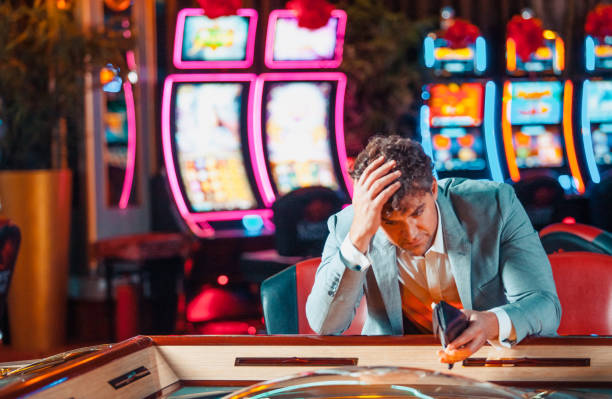
Losses can provoke strong feelings that may compel players to continue gambling in hopes of reclaiming their losses. This behavior can lead to a vicious cycle of chasing losses, which often exacerbates the emotional rollercoaster of gambling. Finding ways to cope with these feelings is essential, as it allows players to maintain better control over their gambling habits. Techniques such as taking breaks, engaging in other leisurely activities, or discussing experiences with friends can help mitigate the emotional toll of gambling.
Conversely, the euphoria that comes with winning can also distort a player’s judgment. The excitement of a big win may lead players to believe they are on a hot streak, prompting them to increase their bets unnecessarily. Developing self-awareness and recognizing emotional triggers is crucial for maintaining a balanced approach to gambling. Players should strive to cultivate a mindset focused on enjoyment rather than solely on the pursuit of profit, thereby creating a healthier relationship with the activity.
Gambling Insights on Responsible Play
Responsible gambling practices are vital for ensuring a positive and sustainable experience for all players. Setting limits on time and money spent can help players manage their gambling activities and minimize the risk of developing problematic behaviors. Establishing budgets and adhering to them is one effective way to remain within personal limits while enjoying the thrill of the game. This discipline fosters a more enjoyable experience as players can indulge without the worries associated with financial strain.
Additionally, casinos often promote responsible gambling initiatives to educate players about the dangers of gambling addiction. Many establishments provide resources for self-help, including helplines and self-exclusion programs that allow players to take a break or limit their access to gambling altogether. Utilizing these resources can empower players to make informed decisions, reinforcing a healthy gambling approach focused on entertainment rather than compulsion.
Cultivating a broader understanding of gambling dynamics can enhance the experience and mitigate risks. Players should educate themselves about the games they are playing, learn about odds, and recognize when it is appropriate to walk away. Whether driven by the thrill of the game or the hope for a jackpot, knowledge is a powerful tool. Ultimately, responsible gambling leads to a more enjoyable experience, allowing players to appreciate the excitement without becoming overwhelmed by it.
