

Combined with treatment led by health care providers, mutual-support groups can offer a valuable added layer of support. Psychotherapy, usually cognitive behavioral therapy, is an important part of an alcoholism treatment program. This addresses the powerful psychological dependency a person has on alcohol. A qualified therapist will work with individuals on a one-to-one and group basis; teaching them how to change their alcohol-seeking behaviors. The therapist will concentrate on treating them new coping skills, meaning they will be better equipped to deal with life stresses and problems.
Resources We Trust
Just as some people with diabetes or asthma may have flare-ups of their disease, a return to drinking can be seen as a temporary setback to full recovery and not as a failure. Seeking professional help can prevent a return to drinking—behavioral therapies can help people develop skills to avoid and overcome triggers, such as stress, that might lead to drinking. Most people benefit from regular checkups with a treatment provider. Medications can also deter drinking during times when individuals may be at greater risk for a return to drinking (e.g., divorce, death of a family member). Alcoholics Anonymous® (also known as “AA”) and other 12-step programs provide peer support for people quitting or cutting back on their drinking.

Complications of alcohol use disorder
- It may also be helpful to determine whether the treatment will be adapted to meet changing needs as they arise.
- However, building resilience through coping strategies and maintaining a positive mindset significantly reduces relapse risk.
- In conclusion, the journey to recovery from alcoholism is a personal one, and the most effective treatment varies from person to person.
- “Acamprosate is designed to level out those abnormalities and provide some stability.”
- (11) More than 80,000 people in the United States die every year due to alcohol addiction.
The provider can help adjust the treatment plan and aid long-term recovery. Your provider may also be able to suggest Sober living house an online self-guided program. Such e-health tools have been shown to help people overcome alcohol problems. Your health care provider can help you evaluate the pros and cons of each treatment setting. Alcohol-induced seizures are another pressing concern during severe withdrawal, with an estimated 5% to 15% of individuals experiencing this life-threatening symptom during detoxification.
Medical Professionals
- Also sometimes known as alcohol-related liver disease, this condition ranges in severity, but liver damage may be possibly reversed in its earlier stages only.
- A health care provider can look at the number, pattern, and severity of symptoms to see whether AUD is present and help you decide the best course of action.
- Couples and family counseling incorporates spouses and other family members in the treatment process and can play an important role in repairing and improving family relationships.
- According to the NIAAA, around 700,000 people receive some form of alcoholism treatment every week in the United States.
- We usually experience setbacks along the way, learn from them, and then keep going.
Alcohol abuse and alcoholism both describe drinking that causes negative consequences for the drinker. Alcoholism often describes a person’s chemical dependency on alcohol and their inclination to prioritize drinking in their lives. Ultimately, sobriety is the responsibility of the person who has the alcohol addiction.
- During medical detox, healthcare professionals monitor and support patients through withdrawal, addressing symptoms such as tremors, anxiety, and seizures.
- When choosing a support network, individuals must seek groups that align with their values, goals, and preferences, ensuring a better fit and improved outcomes.
- Dr. Wakim is a board-certified psychiatrist with a passion for and expertise in addiction, mood disorders, trauma-related disorders and the subspecialty of interventional psychiatry.
- Ultimately, receiving treatment can improve your chances of success.
- Alcoholism affects over 17 million people in the United States, according to the US Department of Health and Human Services.
- They’ll likely ask you a series of questions to determine the severity of your AUD.
Some of these medications have been around for decades, but fewer than 10% of the people who could benefit from them how to treat alcoholism use them. “You don’t have commercials talking about these drugs,” says Stephen Holt, MD, who co-directs the Addiction Recovery Clinic at Yale-New Haven Hospital St. Raphael Campus in Connecticut. “And primary care doctors tend to shy away from these meds because they weren’t trained to use them in med school.” An important first step is to learn more about alcohol use disorder and your treatment options. Certain medications have been shown to effectively help people stop or reduce their drinking and avoid a return to drinking.
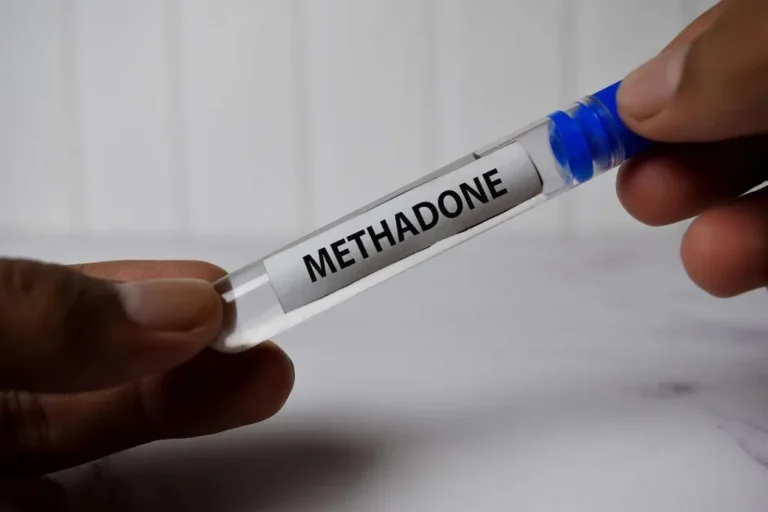
Support from family, friends, and peer groups like Alcoholics Anonymous (AA) or SMART Recovery provides necessary emotional reinforcement and accountability. Contingency Management (CM), which employs a reward-based approach to encourage positive behaviors such as sobriety, has proven highly effective. If you need more significant and long-term support, a doctor may refer you to a residential program for AUD. Also called “rehab,” these programs are in a facility that completely removes you from situations and circumstances that perpetuate alcohol use.
Learn More
The motivation to pursue treatment stems from the desire to improve their quality of life and achieve lasting recovery. For example, if you’re receiving treatment for a condition related to alcohol use, like cirrhosis of the liver, you should ask your healthcare provider about changes in your body that may be new symptoms. If you’re receiving counseling, ask your provider about handling high-stress situations when you may feel like you need some additional mental health support. People with this condition can’t stop drinking, even if their alcohol use upends their lives and the lives of those around them. While people with this condition may start drinking again, studies show that with treatment, most people are able to reduce how much they drink or stop drinking entirely. Yes, alcohol addiction treatment is effective in helping individuals reduce alcohol consumption and achieve sustained sobriety.
What are resources for treating alcoholism?
Treatment involves medical detoxification, behavioral therapies, and support groups to help individuals manage withdrawal symptoms, change harmful patterns of behavior, and maintain long-term recovery. Most people with an alcohol use disorder can benefit from some form of treatment. Medical treatments include medicines and behavioral therapies. For many people, using both types gives them the best results.

Related Health Topics

The evidence suggests that the free and flexible assistance provided by mutual-support groups can help people make and sustain beneficial changes and, thus, promote recovery. Buprenorphine treatment can also be started in the emergency department to ease withdrawal and cravings after an overdose.13 This can help motivate people to begin long-term treatment. It can take several months or years for your liver to recover from alcohol use, especially in the early stages of ALD. Cases of severe cirrhosis may not be treatable even with quitting alcohol. In some cases, a liver transplant may be needed in cases of alcohol-induced cirrhosis that has not improved despite alcohol cessation or if you develop liver failure.
